

1. The Direct-to-Consumer Shift Reshaping Sports Streaming
Fans expect instant, reliable access to live games on whatever screen is in front of them. As viewing habits shift beyond the traditional cable bundle, teams and leagues are becoming full-fledged media organizations—delivering live coverage, highlights, and companion content through connected digital media and streaming ecosystems.
| Platform Feature / Offering | ESPN Unlimited | FOX One |
|---|---|---|
| Primary Live Content | Complete ESPN Linear Suite, ESPN+ library, SEC/ACC action, national showcase games | Live FOX Sports, FS1, FS2, Big Ten Network, NFL on FOX, MLB Postseason |
| Standout Interactive Capabilities | Synchronized multi-view, live betting odds, in-stream team shop checkout | Custom multi-angle feeds, unlimited cloud DVR, instant recap timelines |
| Delivery Ecosystem | Standalone DTC app, Disney+/Hulu bundle integration | Standalone DTC app, TV-Everywhere auth, cross-network sports packages |
| Target Audience | National multi-sport junkies and die-hard college fans | Regional NFL/MLB viewers, motorsports followers, college conference diehards |
Standalone DTC Services and Smarter Bundles
Nobody misses flipping through hundreds of filler channels just to catch their team. Standalone platforms like the ESPN Unlimited direct-to-consumer service and the FOX One streaming platform give fans exactly what they want: pure, unadulterated sports. Major broadcasters and networks have answered the call by packaging these direct feeds into frictionless bundles that eliminate subscription fatigue while keeping viewers glued to the screen.
Good Riddance to Regional Blackouts
For years, local market blackouts were the bane of every sports fan’s existence. In 2026, leagues have stepped in to rescue stranded cord-cutters. By moving to modern IP distribution, sports networks and venues can now stream authenticated hometown games straight to local fans without the headache of outdated cable exclusivity.
2. Core Cloud Architectures Powering Live Event Scalability
Nothing ruins a game night faster than a spinning loading wheel right before a game-winning play. When five million fans jump into a stream simultaneously for fourth-quarter drama, legacy servers crumble. Cloud-native infrastructure gives media teams the agility to spin up high-powered encoding pipelines on the fly, breeze through triple overtime, and shut down instances the moment the post-game trophy ceremony wraps.
Instant Sideline-to-Screen Production
Running physical hard drives across a stadium concourse is ancient history. Today’s top crews rely on camera-to-cloud remote production workflows to shoot feeds straight from the sideline into centralized cloud workspaces within seconds.
A receiver makes an unbelievable toe-tap touchdown, and an editor three states away is already trimming 9:16 vertical clips for social feeds before the extra point is even kicked. It’s fast, efficient, and keeps fans plugged into the action across every platform.
Scaling for the Big Moments Without Breaking the Bank
No production team wants to pay for massive server farms that sit idle all summer. Solving modern scalability and performance challenges comes down to smart cloud orchestration—spinning up elastic storage and edge delivery when traffic surges and dialing it back when the stadium lights turn off.
3. AI Innovations Elevating the Live Viewer Experience
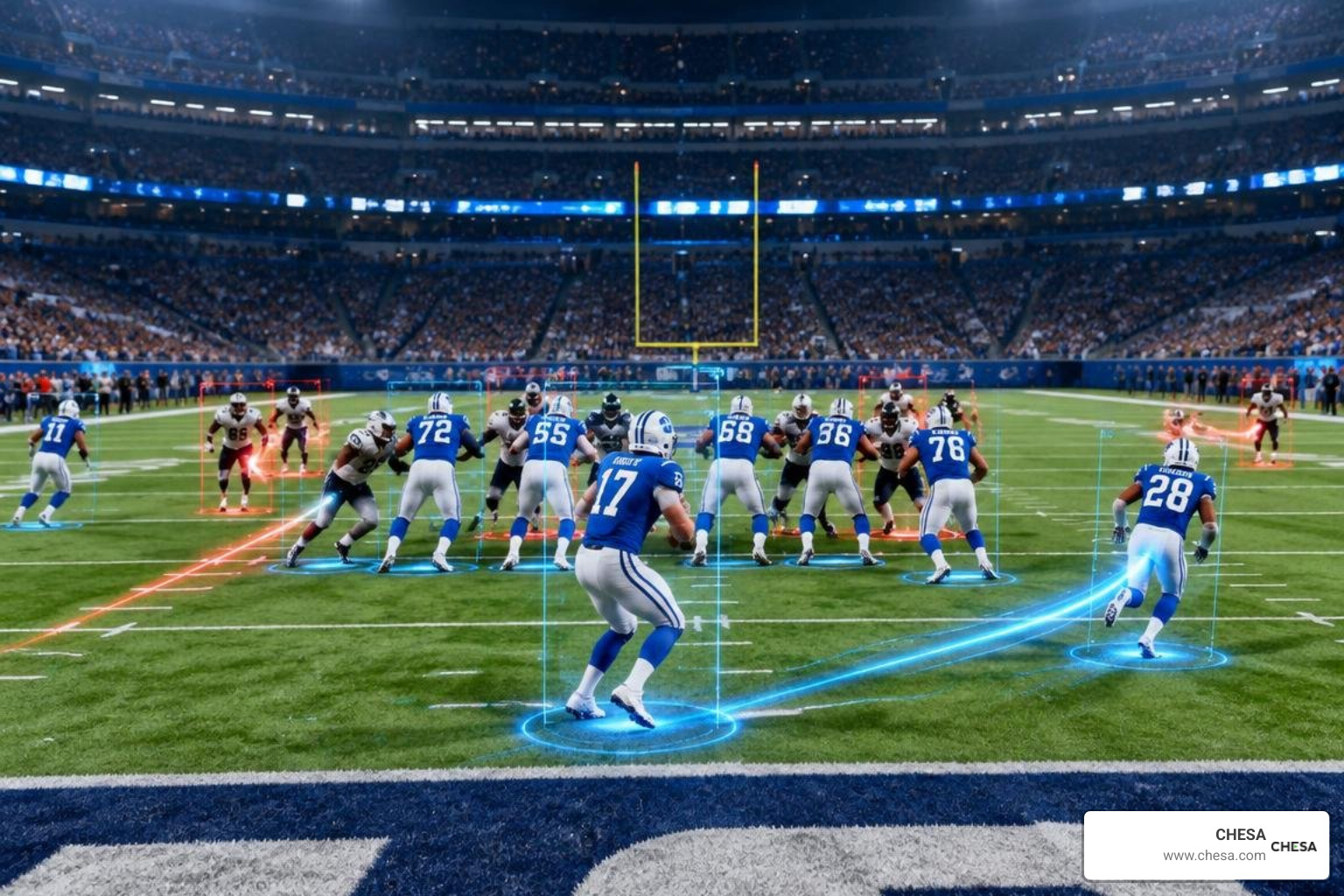
Artificial intelligence in sports broadcasting isn’t a futuristic buzzword anymore—it’s actively making live games look sharper, load faster, and feel far more personalized.
Smarter Compression and Real-Time Upscaling
Want to stream crystal-clear 4K HDR without killing cellular data limits? Perceptual AI compression figures out what fan eyes care about—the football in the air, the player’s jersey number, the sideline expression—and sharpens those zones while compressing blurry background crowds. Production teams save uplink bandwidth, and fans get a pristine feed without stuttering.
Automated Highlights in the Blink of an Eye
Late to the game? Advanced metadata management and asset retrieval uses computer vision and audio recognition to tag every dunk, strikeout, and turnover in real time. Features like “Catch Up with Highlights” let fans watch a rapid 90-second recap of the first half so they can jump straight into the live second-half action without missing a beat.
4. Interactive Features Driving Modern Fan Engagement

We are living in the era of the fan. Passive couch potatoes are out; active, multi-screen directors are in. Fans today want data, community, and the freedom to customize how they experience every matchup.
Look at the NBA App 24/7 streaming ecosystem, which turns regular broadcasts into an interactive playground with vertical video feeds, real-time player telemetry, and constant community chatter all season long.
You’re the Director: Multiview and Live Data
Why settle for a single camera angle? Modern apps let fans build custom multiviews with up to four synchronized games, switch to dedicated player-tracking cameras, or pick their favorite hometown announcers. Real-time stats, shot charts, and live betting odds sit seamlessly over the video canvas without lagging behind the broadcast.
Smarter, Less Annoying Monetization
With sports rights at historic highs, networks have to monetize smartly—without driving viewers crazy with repetitive commercial loops.
- Server-Side Ad Insertion (SSAI): Delivers broadcast-smooth, targeted commercials without buffering wheels.
- Dynamic Split-Screen Overlays: Keeps the game on screen during timeouts with neat L-bar graphics.
- Context-Triggered Sponsorships: Fires relevant brand moments right after a clutch red-zone stop.
- In-Stream Merchandise: Lets fans tap to buy a star player’s jersey directly from the stream right after a highlight play.
Frequently Asked Questions About Sports Streaming Platforms
How do modern platforms eliminate streaming lag during live sports?
Broadcasters utilize low-latency HLS (LL-HLS), WebRTC, and edge computing to push sub-second video directly to devices. This ensures you see the touchdown celebration on your screen before your group chat spoils it.
How is AI improving the live sports viewing experience?
AI optimizes video encoding for crisp picture quality on low bandwidth, instantly generates personalized highlight reels, and powers real-time player stats on screen.
Why are sports streaming platforms bundling up in 2026?
Bundles give fans one convenient place (and one bill) to watch all their favorite leagues, while helping networks lower subscriber churn and maximize their advertising impact across major sporting events.
Conclusion
Live sports streaming has rewritten the playbook. The fans are in the driver’s seat, demanding ultra-low latency, custom multiviews, and instant highlights across every screen. Delivering that kind of broadcast-grade experience demands rock-solid cloud infrastructure, slick remote workflows, and smart automation.
At CHESA, we help sports organizations, networks, and venues design agile media supply chains built for high concurrency and zero downtime. Check out our professional sports workflow solutions to see how we can take your live production pipeline to the next level.